Categories
Insights

Native Plant Landscaping

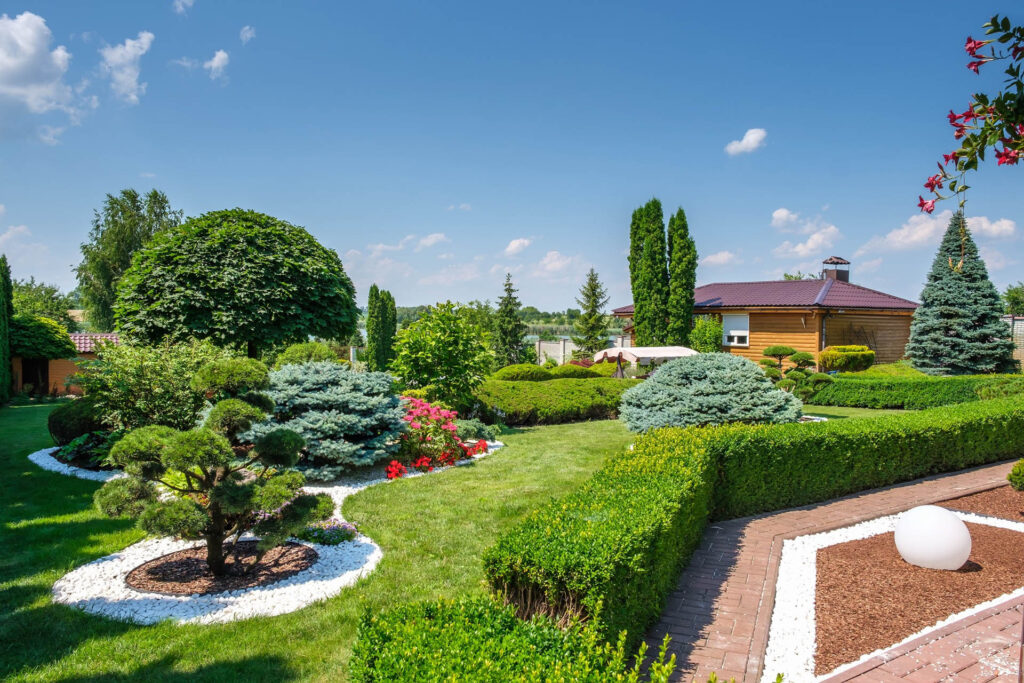
Native plant landscaping, also known as native landscaping or native gardening, is an approach to landscaping that focuses on using plants that are indigenous to a specific region or ecosystem in the design and maintenance of outdoor spaces. This practice has gained popularity due to its numerous environmental, ecological, and aesthetic benefits.

Use of Native Plants

The central principle of native plant landscaping is the incorporation of plants that naturally occur and thrive in the local ecosystem. These plants have adapted to the region’s climate, soil, and wildlife over time.

Native plant landscapes often prioritize plant diversity, creating habitats that support a wide range of native wildlife, including birds, pollinators (bees, butterflies), and beneficial insects.

Water Conservation

Native plants are typically well-suited to the local climate and require less water once established. This reduces the need for irrigation and conserves water resources.

Native plant landscaping offers a sustainable and ecologically responsible approach to outdoor spaces, promoting the health of local ecosystems while reducing resource consumption and enhancing the beauty of the landscape. It’s an excellent way to support both the environment and your local community.

Categories
Insights

Outdoor Living Spaces

Outdoor living spaces, also known as outdoor rooms or alfresco areas, are designed and furnished outdoor areas of a home or property that serve as extensions of indoor living spaces. These spaces are created to provide a comfortable and functional environment for various activities, relaxation, and entertainment, allowing people to enjoy the outdoors without sacrificing the comforts of indoor living.

Patio or Deck

The foundation of an outdoor living space is typically a patio made of materials like concrete, pavers, or natural stone, or a wooden deck. These surfaces serve as the base for outdoor furniture and activities.

Outdoor Furniture

Comfortable and durable outdoor furniture is essential for seating and dining. Options include sofas, lounge chairs, dining sets, hammocks, and more, designed to withstand exposure to the elements.

Shade Structures

To provide relief from the sun and shelter from the rain, shade structures like pergolas, gazebos, umbrellas, or retractable awnings are often incorporated. These structures can also enhance the visual appeal of the space.

Outdoor living spaces offer a seamless transition between indoor and outdoor life, allowing homeowners to enjoy the beauty and relaxation of the outdoors while benefiting from the comforts and conveniences of home. They are a valuable addition to any property, fostering a greater connection with nature and providing versatile spaces for leisure and social activities.

Categories
Insights

Public Park Revivals

Public park revivals, also known as park restorations or park rejuvenation projects, refer to efforts to restore, renovate, and revitalize public parks and green spaces that have deteriorated over time or are in need of improvement. These projects aim to enhance the quality, safety, and usability of parks, making them more attractive and functional for the communities they serve.

Infrastructure Upgrades

Many park revivals involve essential infrastructure improvements. This may include repairing or replacing pathways, bridges, playgrounds, benches, lighting, and restroom facilities to ensure safety and accessibility.

Safety Enhancements

Enhancing safety is a critical aspect of park revivals. This may involve improved lighting, security measures, and the removal of hazards like uneven surfaces or deteriorating structures.

Environmental Sustainability

Many park revivals incorporate sustainable practices such as water-efficient landscaping, rain gardens, and the use of recycled materials to reduce the park’s environmental impact.

Public park revivals are vital for maintaining and enhancing urban green spaces, ensuring they remain accessible and enjoyable for generations to come. These projects not only benefit local communities but also contribute to the overall sustainability and vibrancy of cities and neighborhoods.